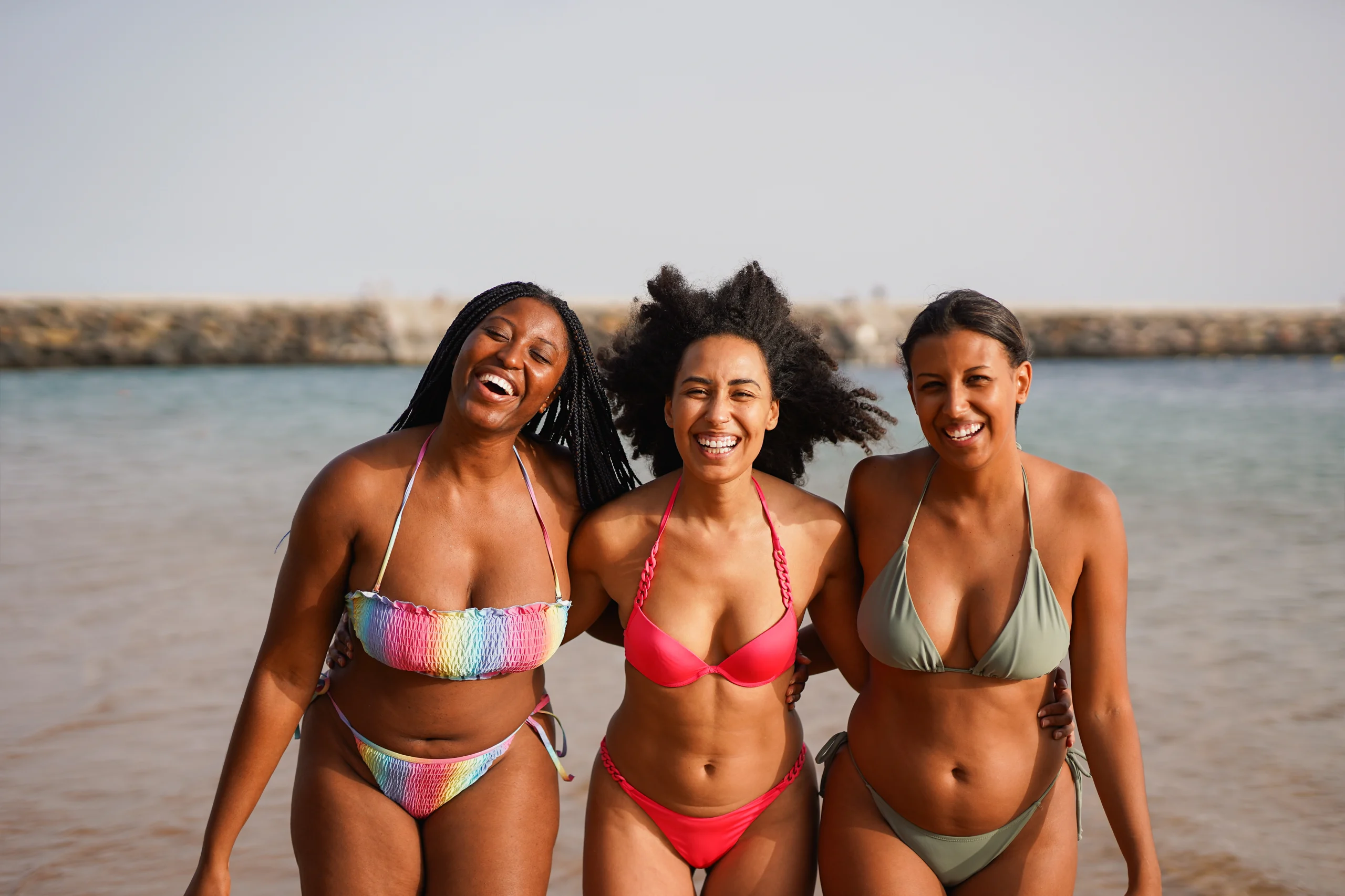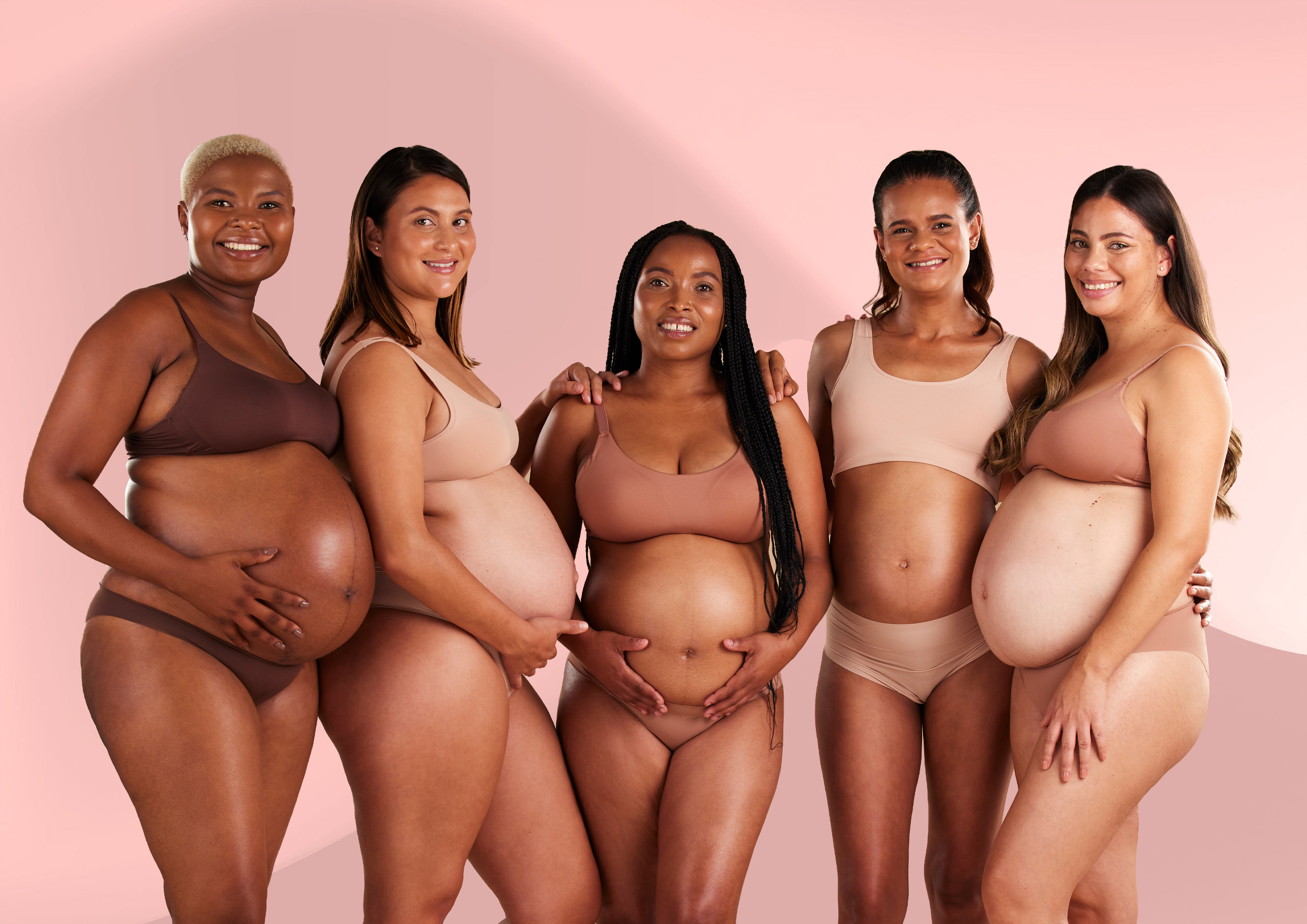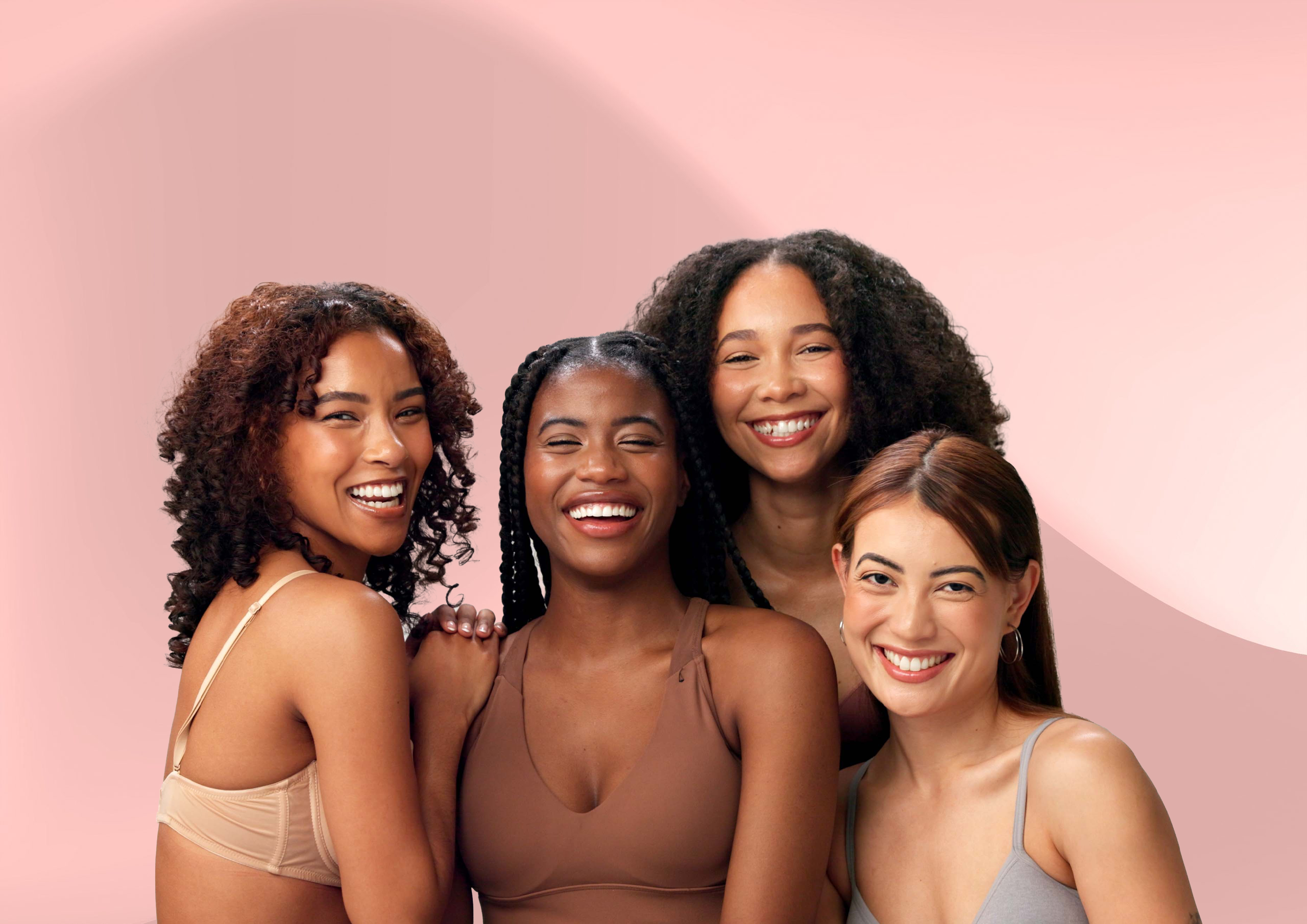

Breasts come in many different shapes, sizes and proportions. Some are fuller, some are smaller, some sit wider apart, some are naturally uneven, and some change significantly over time.
There is no single “perfect” breast shape. There is also no such thing as completely symmetrical breasts. Small differences between each side are very common and completely normal.
However, if the size or shape of your breasts affects your confidence, comfort or how you feel in clothing, it is understandable to want to explore your options.
In this guide, we look at what determines breast size, what affects breast shape and why your breasts may change throughout life.
What Determines Breast Size?
Breast size is influenced by several factors, including:
- Genetics
- Weight changes
- Ageing
- Hormones
- Pregnancy and breastfeeding
- Skin quality
- Natural breast tissue
- Lifestyle and body composition
Your breasts are made up of fatty tissue, glandular tissue, connective tissue, skin and ligaments. The amount and distribution of these tissues is different for every person, which is why breast shape and size varies so much.
1. Genetics
Genetics play a major role in breast size and shape.
Just as your genes influence your height, body shape, eye colour and natural build, they can also influence:
- Breast size
- Breast width
- Breast position
- Breast symmetry
- Skin elasticity
- Amount of natural breast tissue
- How your breasts change over time
This means some people naturally have smaller breasts, some naturally have fuller breasts, and others may have breasts that are uneven, wide-set or shaped differently from what they expected.
Genetics can also affect how your breast tissue responds to hormones, weight changes and ageing.
2. Weight Changes
A large part of the breast is made up of fatty tissue. This means weight gain or weight loss can affect breast size and shape.
Some people notice their breasts become fuller when they gain weight. Others may notice their breasts reduce in size or lose volume when they lose weight.
Weight changes can also affect:
- Breast fullness
- Skin tightness
- Breast position
- Stretch marks
- Sagging or drooping
- Overall breast proportion
How much your breasts change with weight gain or loss will depend on your natural body composition and how much fatty tissue you have in the breast area.
3. Ageing
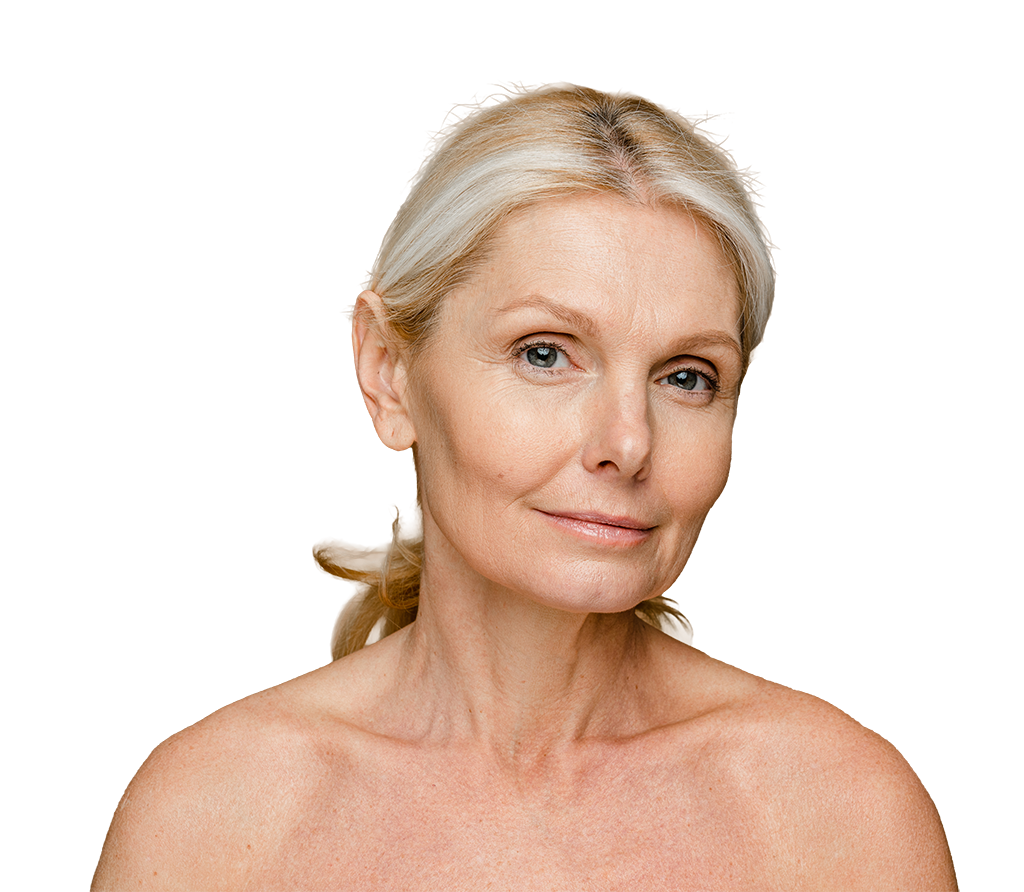
Breasts naturally change with age.
Over time, skin can lose elasticity and the supportive tissues in the breast can become less firm. Gravity, hormonal changes and natural skin ageing can all affect how the breasts sit on the body.
Age-related changes may include:
- Loss of firmness
- Reduced volume
- Lower breast position
- Looser skin
- Changes in nipple position
- A softer breast shape
A supportive, well-fitting bra can help with comfort, especially during exercise, but it cannot stop the natural ageing process completely.
4. Hormones
Hormones can have a noticeable effect on breast size and shape.
Many people notice breast changes during:
- Puberty
- Menstrual cycles
- Pregnancy
- Breastfeeding
- Menopause
- Hormonal contraception
- Hormone-related weight changes
These changes may include tenderness, swelling, fullness, reduced volume or changes in skin quality.
Some changes are temporary, while others can be longer lasting.
5. Pregnancy and Breastfeeding
Pregnancy and breastfeeding can significantly change breast shape and size.
During pregnancy, breasts often become fuller as the body prepares for breastfeeding. After breastfeeding, some people find their breasts return close to their previous shape, while others notice a loss of volume, sagging or changes in nipple position.
Common changes after pregnancy or breastfeeding can include:
- Loss of upper breast fullness
- Drooping or sagging
- Changes in breast size
- Stretch marks
- Unevenness
- A softer or flatter breast shape
These changes are very common, but they can still affect confidence and how you feel in your body.
6. Natural Breast Shape
There are many different breast shapes, and most are completely normal.
Different breast shapes may include:
- Round breasts
- Teardrop-shaped breasts
- Wide-set breasts
- Asymmetrical breasts
- Bell-shaped breasts
- Smaller or flatter breasts
- Fuller lower breasts
- Breasts with less upper fullness
Some people may also have developmental breast shape concerns, such as tubular or tuberous breasts. This is where the breast tissue develops in a more restricted or narrow shape, often becoming noticeable during puberty.
If you are unsure whether your breast shape is a normal variation or something that may benefit from specialist advice, a consultation can help you understand your options.
Can Breast Shape or Size Be Changed?
Yes, breast surgery may help change breast size, shape, position or proportion.
The right procedure will depend on your body, your goals and your surgeon’s recommendation.
Common options include:
Breast Augmentation
Breast augmentation can increase breast size and improve shape using implants or, in some cases, fat transfer.
This may be suitable if you:
- Have naturally smaller breasts
- Want more volume
- Have lost fullness after pregnancy or weight changes
- Want to improve breast proportion
- Want a fuller or more rounded shape
Breast Uplift
A breast uplift, also known as mastopexy, is designed to lift and reshape the breasts without necessarily increasing their size.
This may be suitable if you:
- Have sagging or drooping breasts
- Are happy with your natural breast size
- Want a more lifted shape
- Have changes after pregnancy, breastfeeding, weight loss or ageing
Breast Reduction
Breast reduction surgery reduces breast size by removing excess breast tissue, fat and skin.
This may be suitable if you:
- Feel your breasts are too large for your frame
- Experience back, neck or shoulder discomfort
- Struggle with clothing or bra fit
- Want a lighter, more proportionate breast shape
Breast Implant Removal or Replacement
If you already have implants, you may choose to remove or replace them if your body, lifestyle or preferences have changed.
This may be suitable if you:
- No longer want implants
- Want to change implant size
- Want to replace older implants
- Need reshaping after implant removal
- Want a more natural or refreshed result
When Should You Seek Medical Advice?
Breast changes are often natural, especially during hormonal changes, weight changes, pregnancy, breastfeeding or ageing.
However, you should speak to your GP if you notice:
- A new lump
- Sudden or unexplained breast changes
- Skin dimpling
- Nipple discharge
- Nipple inversion that is new for you
- Persistent pain
- Redness, swelling or warmth
- Any change that feels unusual for your body
Cosmetic surgery consultations are helpful for shape, size and confidence concerns, but medical changes should always be checked by a healthcare professional first.
Thinking About Breast Surgery?
You do not need to know exactly which procedure is right for you before speaking to us.
If you are unhappy with your breast size, shape, position or proportion, the BodyCurve team can talk you through your options and help you decide whether a consultation is the right next step.
Your surgeon will assess your body, listen to your goals and explain what may be achievable in a clear and honest way.
Call Our Team
Book a Consultation
Clear advice. Personalised support. Surgeon-led care from consultation through to recovery.
FAQs
What determines breast size?
Breast size is mainly determined by genetics, body weight, hormones, age, pregnancy, breastfeeding and natural breast tissue. Every person’s breast size is different.
Can breast shape change over time?
Yes. Breast shape can change with age, weight changes, pregnancy, breastfeeding, hormones and skin elasticity.
Are uneven breasts normal?
Yes. Most people have some natural difference between each breast. However, if asymmetry affects your confidence, a surgeon can explain whether surgery may help.
Can exercise change breast size?
Exercise can strengthen the chest muscles underneath the breasts and improve overall body tone, but it will not increase breast tissue. Weight loss may reduce breast size in some people.
Why have my breasts lost volume?
Breasts can lose volume after weight loss, pregnancy, breastfeeding, ageing or hormonal changes. This is very common.
Can surgery improve breast shape?
Yes. Depending on your goals, breast augmentation, breast uplift, breast reduction or implant removal and replacement may help improve breast shape, size or position.